Understand the Indiana seasonal pattern
Seasonal steps you can take now
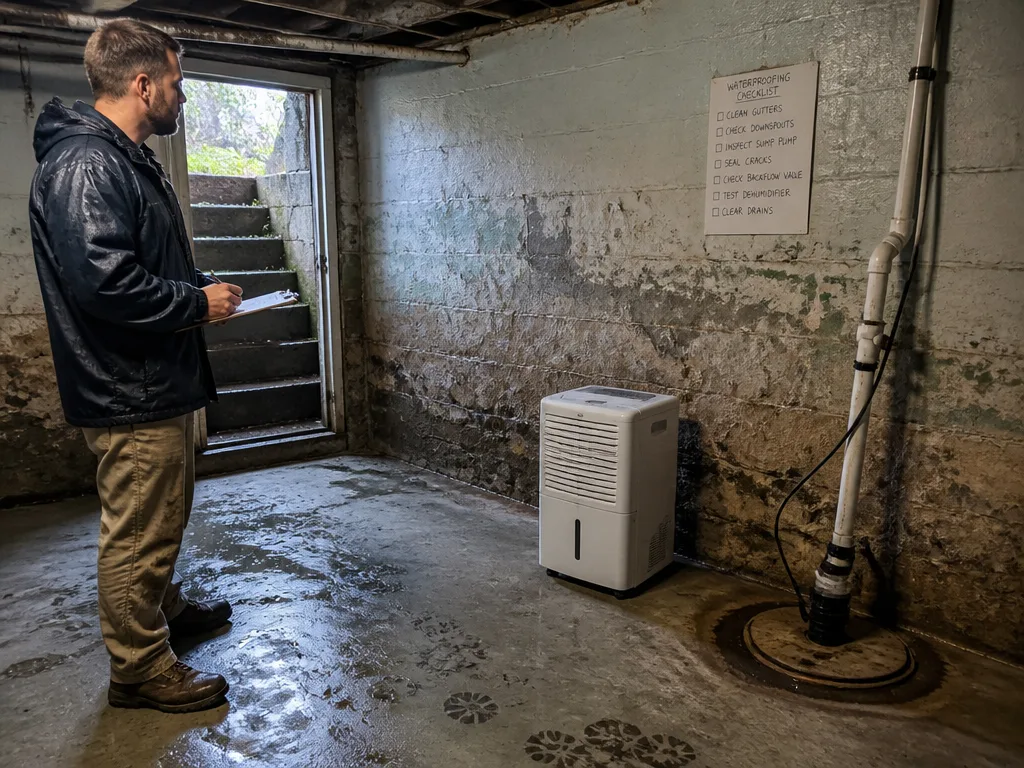
Start with gutters and drainage. Clean out gutters, ensure downspouts direct water away from the foundation, and check grading around the home. In Indiana, a few inches of improper slope can redirect water toward the building and seep into the basement or crawl space. Inspect window wells and sump pits before heavy rain events and keep all drainage paths clear.
Set up a simple moisture monitoring routine. Place a couple of hygrometers in basement or crawl spaces and check monthly. If readings stay consistently high, it’s a sign to call restoration specialists for a professional assessment and possible mitigation plan.
During storms and thaw periods
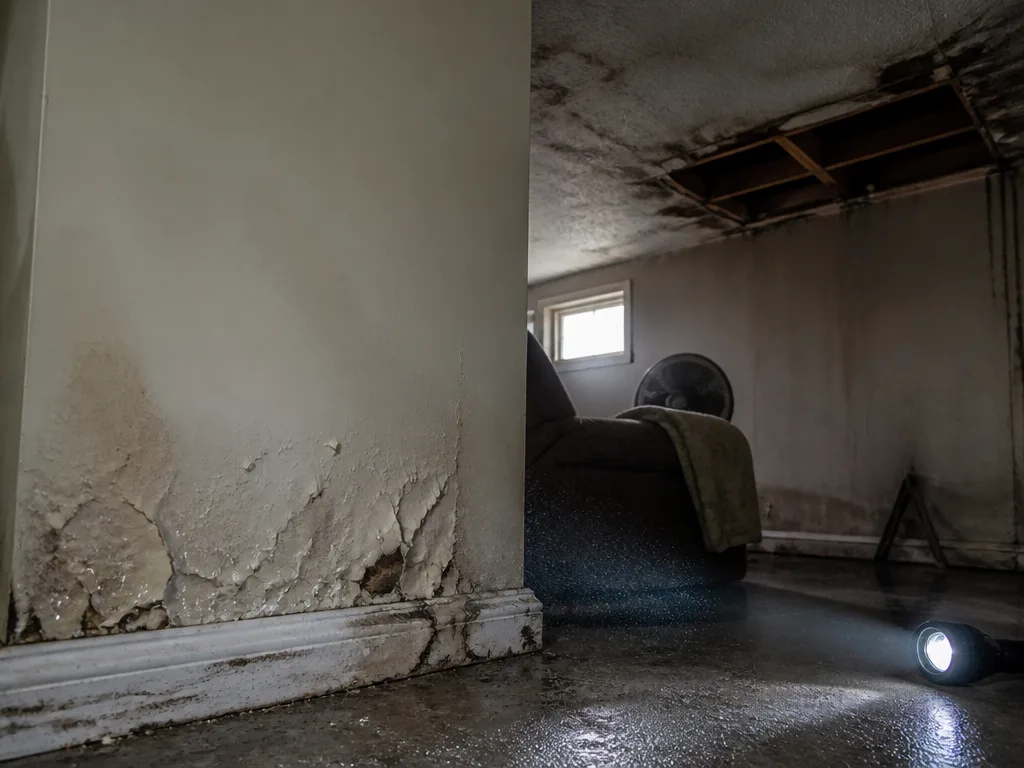
During a storm, water can overwhelm driveways and landscaping fast. If you notice pooling near the foundation or damp spots on walls, call a restoration specialist promptly. In Indiana, quick action helps prevent widespread damage and keeps drying times shorter.
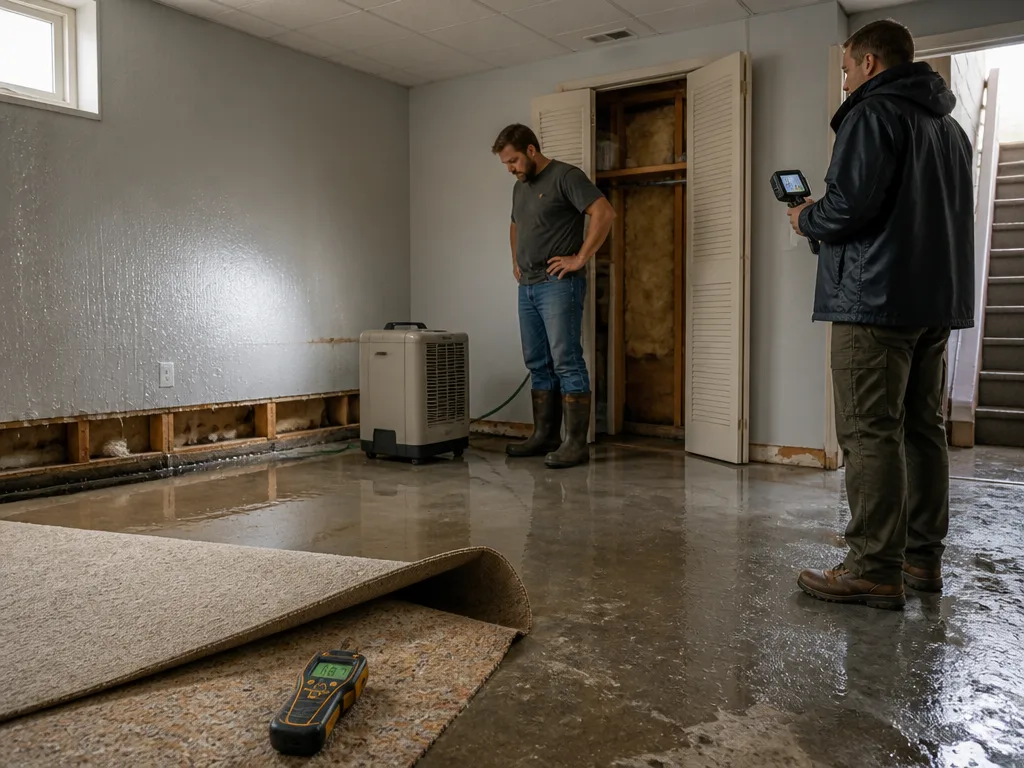
After heavy precipitation, inspect for hidden moisture. Open interior doors to promote air flow, but avoid moving soaked materials unless directed by a restoration specialist. When in doubt, contact Indiana Flood Cleanup for a statewide evaluation. Our crews across Indiana are ready to respond with a clear plan and practical steps.
Long-term prevention mindset
Keep soil around the foundation evenly moist, not waterlogged. Maintain a consistent indoor humidity level around 35 to 50 percent where possible, using dehumidifiers as needed. Regular inspections of roofs, flashing, and seals help keep rainwater from seeping in. Your goal is steady, proactive care that reduces the chance of major repairs later.